

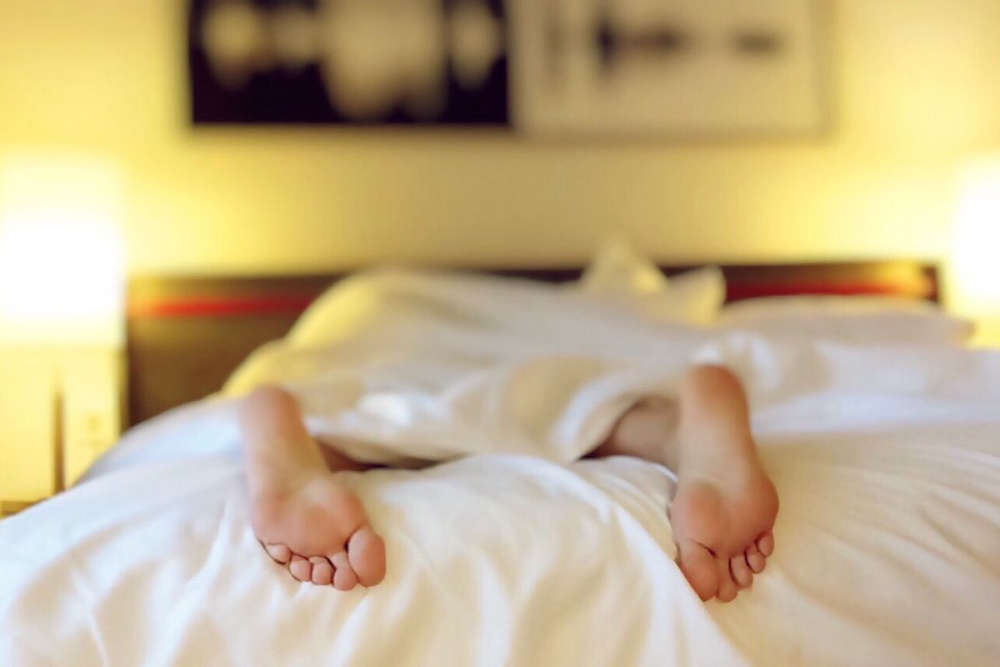
As daylight saving time begins this weekend, sleep expert Tom Coleman warns that losing an hour of sleep can disrupt your body’s internal clock. “The clocks don’t change, but our biological clocks do,” says Coleman. "This sudden shift can disrupt everything from our sleep patterns to our gut health, potentially leading to higher risks of heart attacks and traffic accidents."
The impact of the time change varies for everyone. “Some people are more sensitive to these disruptions, especially those with irregular sleep patterns,” he explains. While some may adapt easily, others may struggle with tiredness and irritability.
Coleman advises against powering through tiredness with caffeine or sugary snacks. Instead, he recommends focusing on energy management and sticking to your routine. “Gradually adjust your bedtime in the days leading up to the change and avoid drastic changes to your schedule,” he says.
To reset your sleep, Coleman recommends getting outside for natural light. "Light is the most powerful tool for regulating your sleep-wake cycle," he explains. Light exercise and staying hydrated can also help during the adjustment.
Coleman also supports the idea of abolishing daylight saving time. "Research shows that eliminating it could reduce the negative health impacts, including mood disorders," he says. “It’s time to reconsider this outdated practice.”
Tom Coleman’s Tips for Adjusting to the Time Change:
- Get outside in natural light: It helps reset your internal clock.
- Avoid over-caffeinating: Manage energy without relying on stimulants.
- Adjust your bedtime: Gradually go to bed earlier to ease the transition.
- Stick to a routine: Consistency is key for better sleep.
 Good News For Ages 65 & Over!
 Singing Groups in Wexford invited to join Bealtaine Festival 2026
 RTE’s Anne Cassin to Present the New Ross Piano Festival 20th Anniversary Gala Concert


Comments
Add a comment