


New EPA projections indicate Ireland is not currently on course to meet its 2030 climate targets, with expected emissions reductions of around 25% even if all existing policies and measures are fully implemented.
The report highlights that Ireland is committed to reducing emissions by 50% by 2030, but current progress is significantly below that trajectory. The largest emitting sectors remain electricity generation, agriculture and transport, with varying levels of projected reduction across each area.
Electricity generation is expected to see the strongest reductions, while agriculture could reduce emissions by up to 19% under current modelling, and transport by around 28%, driven in part by electric vehicle uptake.
The EPA also points to delays in key renewable infrastructure, including offshore wind projects and electricity interconnection, which may slow the pace of emissions cuts in the short term.
Residential emissions are falling more gradually than required, with slower-than-expected uptake in retrofitting and heat pump installation identified as contributing factors.
Forestry is also highlighted as an emerging concern, with projections suggesting it is moving from a carbon sink to a carbon source due to maturity of existing forests and a decline in new planting.
While the report is based on national modelling rather than county-by-county data, Wexford is identified as particularly exposed to climate impacts, including coastal erosion and increased risk of heatwaves due to its location in the southeast.
Conor Quinlan Programme Manager with the EPA's Office of Evidence and Assessment told us on Morning Mix that stronger and faster emissions reductions would help limit the severity of these long-term local impacts.
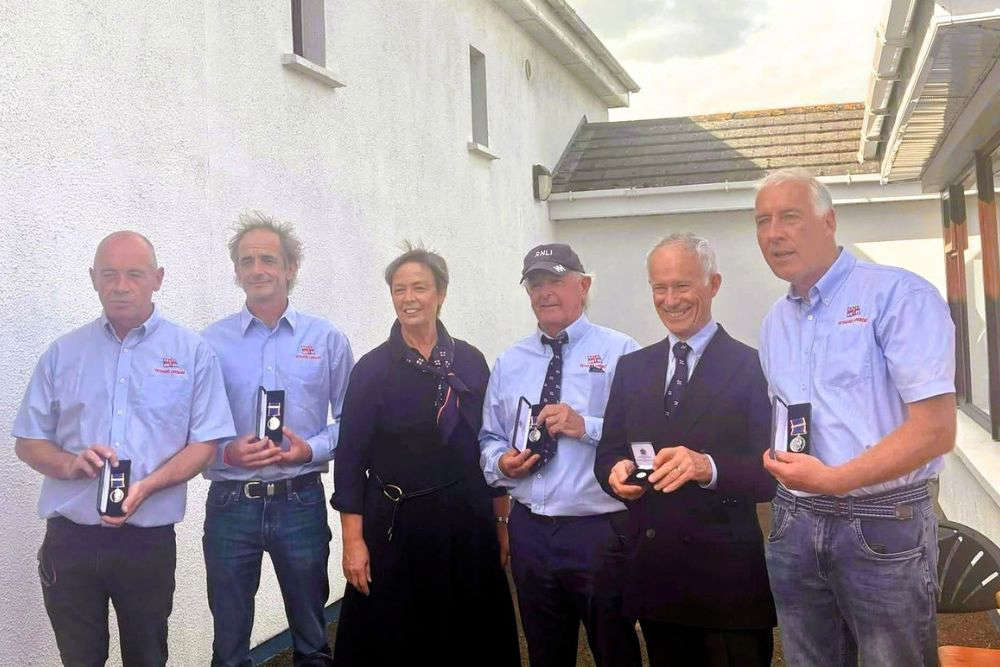 Fethard RNLI Mark 30 Years With Community Open Day
 New Citizen Science App To Make Water Quality Monitoring More Accessible
 Enniscorthy Community Allotments Shortlisted for Ireland’s Greenest Community Award
 Wexford House Prices Rise 6.6% as National Market Cools



Comments
Add a comment