


From anxiety, brain fog and sleepless nights to vaginal dryness, painful sex and the loss of self-confidence, menopause can affect almost every aspect of a woman's life. Yet for generations, many of these symptoms have remained hidden behind embarrassment, silence and misunderstanding.
Ahead of World Menopause Day on October 18th, Shine a Light with Siobhán Murphy on South East Radio turns its attention to menopause in a frank, revealing and deeply personal episode entitled "More Than a Hot Flush"
The programme brings together three women at different stages of their menopause journeys, alongside one of Ireland's most outspoken advocates for women's health, pharmacist Laura Dowling, widely known as the Fabulous Pharmacist.
Together, they explore the physical, emotional and psychological impact of menopause, challenge long-standing misconceptions and ask why so many women are still suffering in silence.
For many women, menopause is about far more than hot flushes and the end of menstruation.
Hair loss, heart palpitations, anxiety, irritability, brain fog, sleep disruption, bladder problems and changes in sexual health are among the issues explored during the programme.
Diane O'Neill, a 50-year-old counsellor and psychotherapist and mother of three, began experiencing symptoms in her mid-40s.
One of the first changes she noticed was significant hair loss, which affected her confidence and left her frightened about what was happening to her body.
Over time, she experienced a wide range of symptoms affecting her physical and emotional wellbeing.
Diane describes the profound sense of loss that can accompany menopause, particularly when it coincides with other major life changes, including children growing up and leaving home.
She also highlights the psychological impact, including anxiety, irritability, reduced confidence and the resurfacing of unresolved emotional experiences.
For fellow panellist Simmi Duffin the impact of perimenopause was so severe that she eventually left her job.
Simmi began experiencing fatigue, anxiety and a dramatic loss of confidence following COVID-19 and initially believed she was suffering from long COVID.
It was only after a friend suggested that her symptoms might be connected to perimenopause that she began investigating further.
At just 43, she had not considered menopause a possibility.
The symptoms, combined with a difficult working environment, eventually left her feeling unable to continue in her job.
After starting hormone replacement therapy (HRT) and receiving therapeutic support, Simmi says she gradually began to regain her confidence and sense of self.
Her experience raises important questions about menopause awareness in the workplace and whether employers are doing enough to support women experiencing significant symptoms.
Simmi believes workplace menopause policies, staff training and greater flexibility could make an enormous difference.
The programme also hears from 57-year-old Rose Walsh, who works with the HSE and has experienced a more gradual onset of symptoms.
Rose discusses headaches, bloating, night sweats, skin changes and brain fog, as well as her decision to manage her symptoms primarily through natural approaches.
While she has not yet opted for HRT, she remains open to considering it in the future.
Her experience reinforces one of the central messages of the programme: there is no single menopause journey and the approach that works for one woman may not be appropriate for another.
The Fabulous Pharmacist: Breaking the Taboo Around Women's Bodies
Adding expert insight to the discussion is pharmacist Laura Dowling, who has earned a reputation for speaking openly about the aspects of women's health that were once rarely discussed in public.
In a candid conversation Laura addresses subjects including vaginal dryness, painful intercourse, urinary leakage, recurrent urinary symptoms and pelvic organ prolapse.
She explains how declining oestrogen levels can affect vaginal and surrounding tissues, leading to discomfort and symptoms that can significantly affect everyday life.
For some women, these difficulties can mean avoiding intimacy, worrying about access to toilets or feeling unable to participate fully in social activities.
Laura emphasises that women should not simply accept these problems as an inevitable consequence of ageing.
She discusses available treatments and supports, including local vaginal oestrogen, pelvic floor physiotherapy and specialist assessment where appropriate.
She also challenges the embarrassment that continues to surround women's intimate health, encouraging women to speak openly with healthcare professionals and seek help.
Hormone replacement therapy is another major focus of the programme.
Laura discusses how public attitudes towards HRT have changed dramatically, moving from widespread fears surrounding its risks to a situation where some women may feel pressure to take it.
She stresses that HRT is not necessary or suitable for every woman and that treatment decisions should be individualised.
Her central message is that women deserve accurate information, access to appropriate care and the opportunity to make informed choices about their own health.
The discussion also addresses the difficulties some women experience when seeking menopause advice, including inconsistent levels of knowledge and support within healthcare services.
Laura encourages women to document their symptoms, advocate for themselves and seek further professional advice if their concerns are not being adequately addressed.
Alongside the physical symptoms, the programme explores some of the less visible effects of menopause.
Anxiety, loss of confidence, intrusive worries, irritability and cognitive difficulties can leave women feeling as though they no longer recognise themselves.
For some, these changes arrive during an already demanding stage of life, when they may be balancing careers, teenage children, ageing parents or other family responsibilities.
The panellists speak openly about how these experiences have affected their relationships, their working lives and their identities.
Their stories highlight the importance of greater understanding, not only among women themselves but also among partners, families, colleagues and employers.
Why Men Need to Be Part of the Conversation
While the programme focuses on women's lived experiences, Siobhán Murphy says it is a conversation that men should also hear.
Whether as husbands, partners, sons, fathers, colleagues or friends, men have an important role to play in understanding and supporting the women in their lives.
At its heart, More Than a Hot Flush is about replacing embarrassment with openness, misinformation with understanding and silence with support.
The programme also delivers a message of hope: menopause does not have to mean the end of confidence, wellbeing or enjoyment of life.
With appropriate information, individualised care and support, women can continue to live healthy, fulfilling and rewarding lives.
The programme is available to listen back to through the podcast section of www.southeastradio.ie
Funded by the news reporting scheme
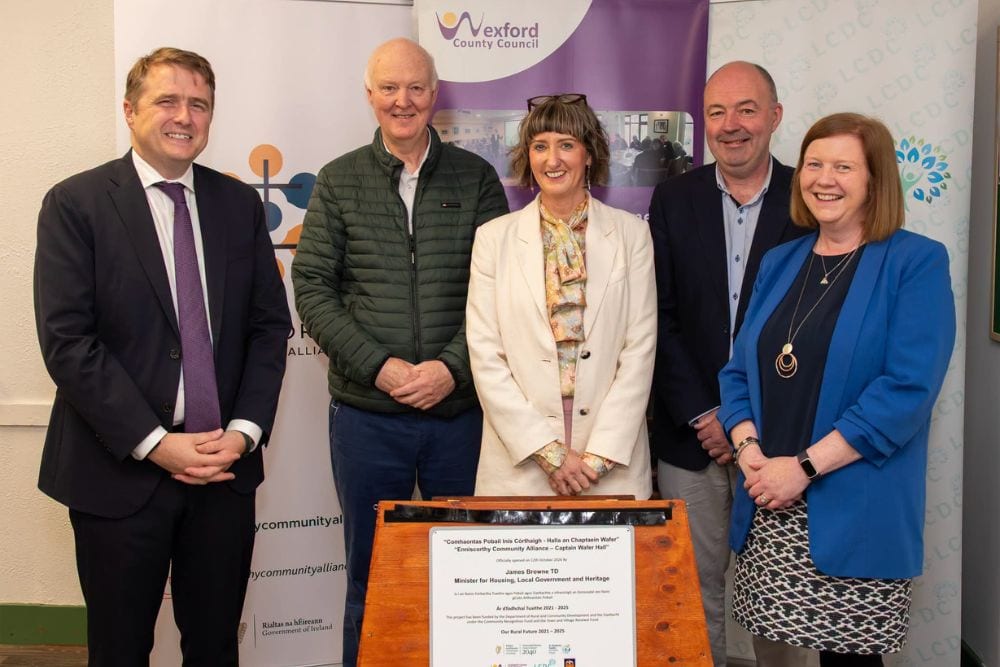 Historic Captain Wafer Hall Reopens in Enniscorthy Following €98,000 Investment
 Bunclody AFC Faces Major Financial Setback After Paying €313,000 Towards Unfinished All-Weather Pitch
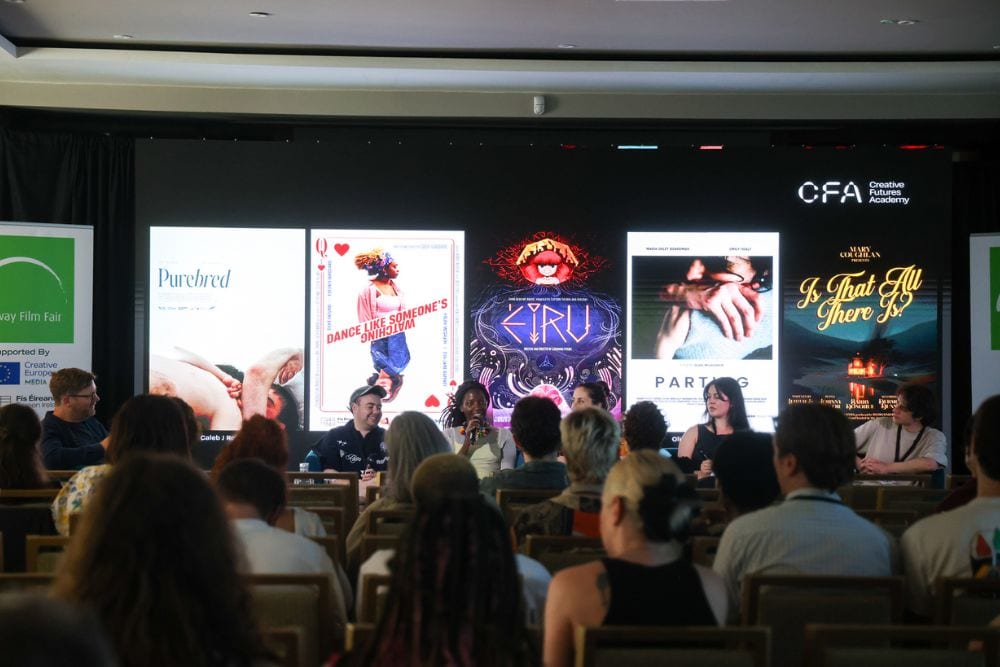 Wexford Charities Urged to Apply for Grants of Up to €12,000 to Help People Break into Creative Industries
 10 Dogs Put Down By Wexford Dog Wardens In The First 8 Months Of The Year


Comments
Add a comment